 Ashley Thiesen · 9 min read
Mother’s Day can be tender. It can be beautiful, complicated, confusing, or quietly brutal. Sometimes all at once.
Grief doesn’t follow the calendar. And yet certain days amplify everything.
The grief that isn’t about death
I’ve been in relationship with grief for most of my life, and not always the kind that comes from death. More often it’s the kind that comes from unmet expectations.
The grief of realizing someone can’t meet you the way you hoped. The grief of a version of life that didn’t happen. The grief of the mother you needed in one particular season, even when the mother you had in another season felt like an absolute angel.
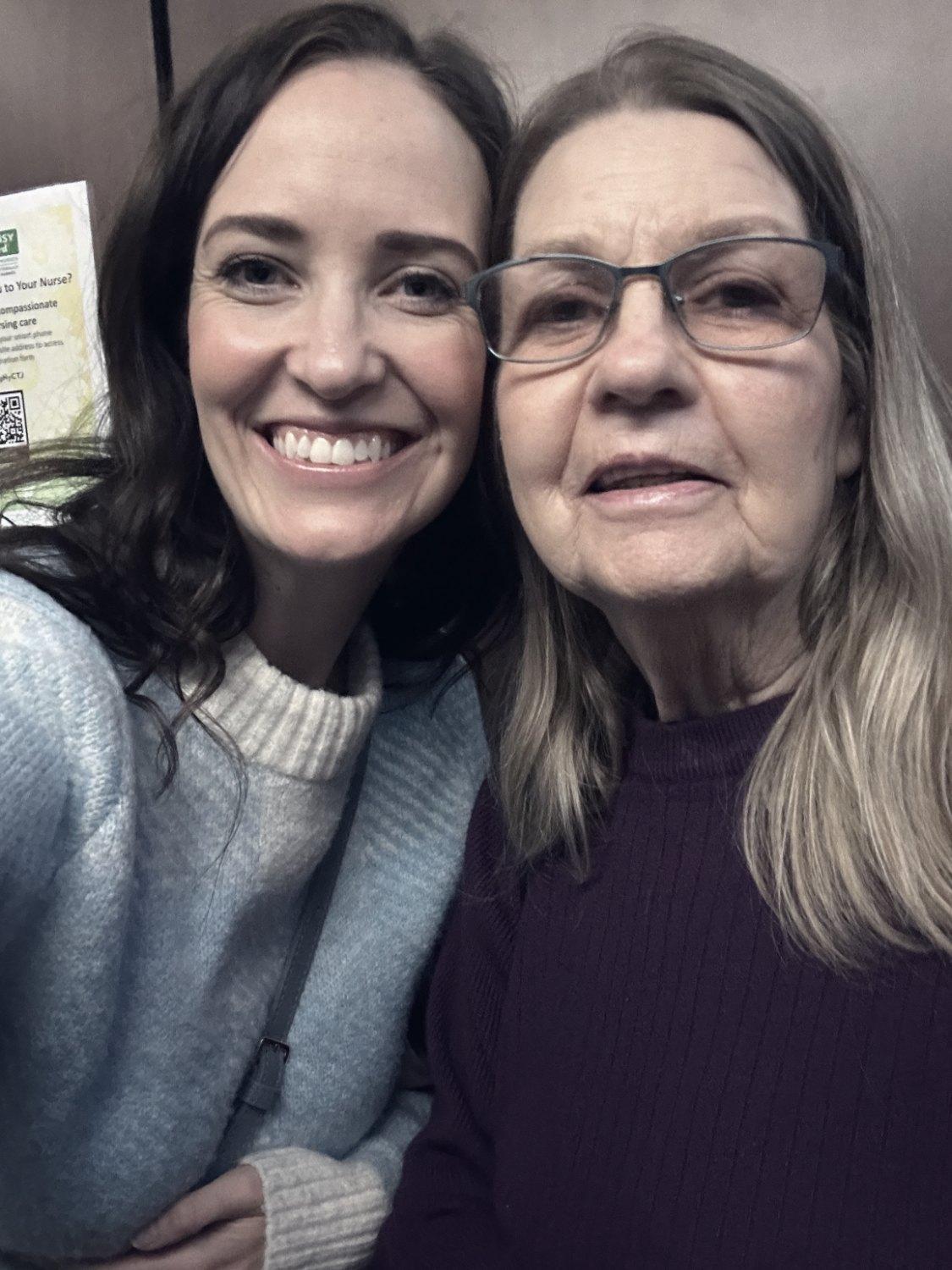
Then in 2024 my relationship with grief changed shape completely. My mom died. She was in her early seventies. And it shook me to my core.
Not only because she was my mother, but because her death set grief off in so many different parts of my life at once.
The personal loss of my mom.
The loss of a grandparent for my daughter.
The loss of a mom for my sisters.
The grief of the life my mom didn't get to live.
Threads of ancestral and generational pattern I could suddenly feel in my own body.
And underneath all of it, the plain fact that life is precious.
It wasn’t “just” grief. It was layered. Multidimensional. Embodied.
When grief arrives, you may need to disappear
In the early months I didn’t reach for tools. I pulled inward. I hermited. I went back into my own system and my own processing, because I needed room to understand what this kind of loss actually felt like.
My mom was the first close person I’d ever lost. I’d lost older grandparents, where age made it feel more… expected. This was different. And I felt like I needed to experience it honestly before I tried to transform anything about it.
That might be different from what some people teach. For me it was necessary. Grief is not a problem to solve. It’s an experience to metabolize.
No tool erases reality
I’ve worked with a lot of modalities: hypnosis, EMDR, PSYCH-K®, plant medicine, others. Here’s what I know to be true: whatever you use, grief still exists. None of these erase what’s real.
Reality is that you lost someone you love. Reality is that you don’t get them back.
That matters, because there’s a subtle way we can use “healing” to bypass what’s true: to rush ourselves, force closure, get functional as fast as possible. But grief isn’t asking to be erased. It’s asking to be witnessed.
The part nobody talks about
What surprised me most about grieving was how much life still demands of you while you’re shattered. There was an estate to manage. Paperwork, decisions, logistics. Not to mention the rest of an already full life that didn’t get the memo to slow down.
When you’re sobbing every day, deep in the fog of it, the ordinary human tasks can feel impossible. Grief doesn’t pause your responsibilities. But that doesn’t mean you’re meant to carry all of it alone.
From hooked to held
There was one moment in my grief that opened something differently. A plant medicine experience where I was able to process life as my mother. It was beautiful. Sacred. Human.
It also left a lot of sadness behind, sadness that lingered in a way that felt hooked in my nervous system.
That’s where the PSYCH-K® TPS balance (Transformation of Perceived Stress) became priceless for me. The goal was never to pretend the loss hadn’t happened, or to convince myself I was fine when I wasn’t. The goal is to take out the hook. The charge. The trigger that keeps pulling you back into the same response.
So you can breathe again. So your perspective can widen again. So you move from being trapped inside the wound to being able to hold it with some steadiness.
Using TPS, I felt myself shift out of a raw, wounded state into a whole-brain state where I could see the situation clearly for what it was and still step back far enough to see everything I needed to handle. I could hold both. And I could finally exhale.
Peace isn’t the same as not caring
This might be the most misunderstood part of all of it. When I say the aim is peace and non-attachment:
I don't mean “I don't care.”
I don't mean “I'm over it.”
I don't mean “it didn't matter.”
I mean the nervous system is no longer in a constant state of activation. I mean your love stays while the suffering softens. I mean you can remember them without your body going to war.
Finding that, specifically in relation to my mom, has been profoundly powerful for me.
If you’re in grief today
If you’re sitting with grief right now, any kind of grief:
Grief over a life unlived.
Grief over unmet expectations.
Grief over a friendship or a relationship.
Grief over a parent.
Grief over someone you love who is no longer here.
You don’t have to sit in it alone. You’re not “too much” for having waves. You’re not failing because it still hurts. And you don’t have to choose between feeling it and functioning.
There are ways to be supported. There are tools that help your nervous system hold what’s true without asking you to erase what’s real. That distinction matters to me. I don’t believe healing means becoming untouched by what happened.
Sometimes healing means being able to touch the pain without being consumed by it.
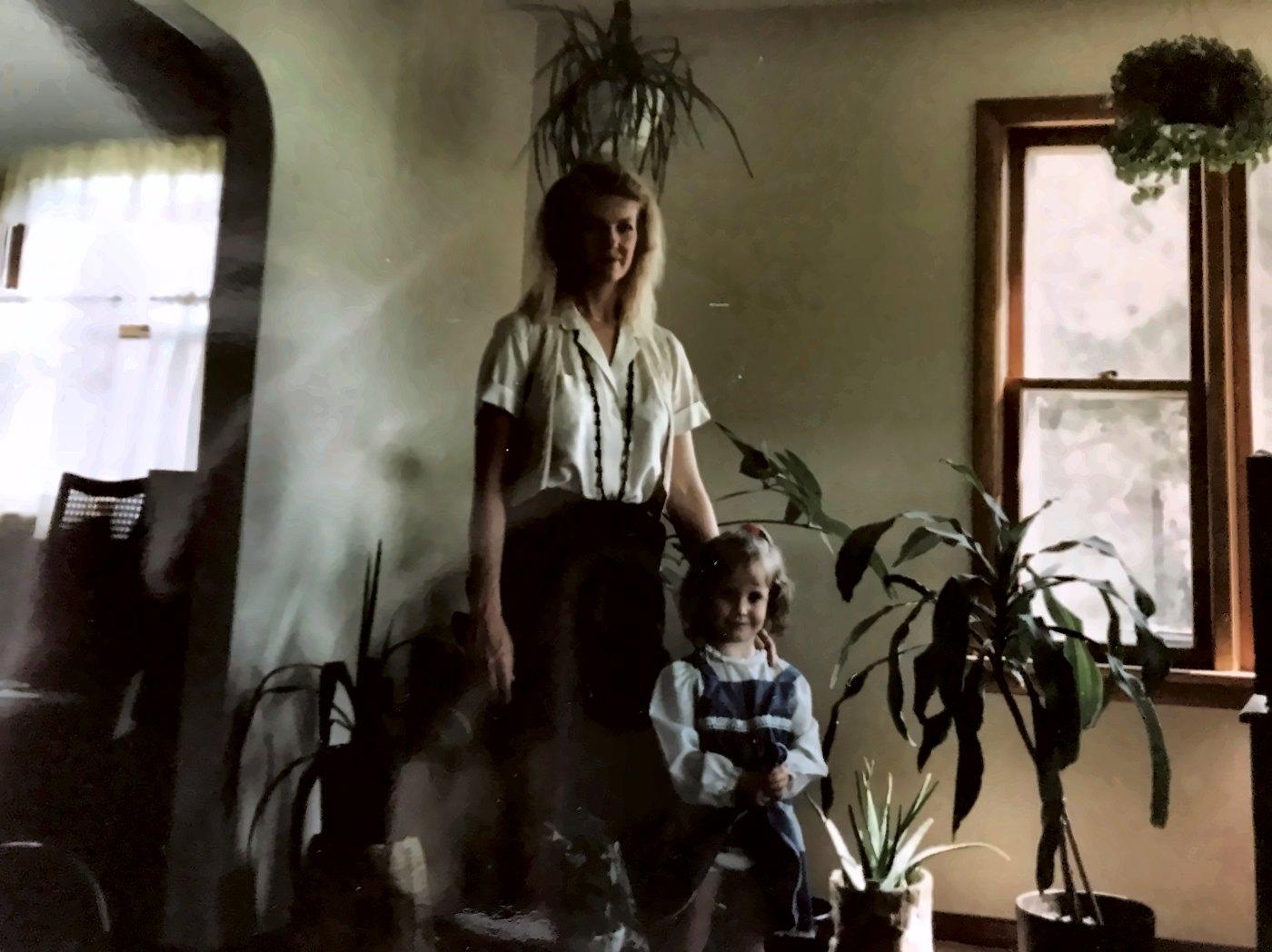
Today I’m holding tenderness for every version of “mother” that lives inside our stories.
And if your heart is heavy today, I’m with you. You don’t have to grieve alone.
If something is still hooked in your system, that’s the part we can work with. Not the loss itself, the charge it left behind.
This is belief and stress work, not grief counseling or therapy. If you’re in acute loss, please also be supported by a licensed professional.