 For founders, owners and anyone who has signed the front of a paycheck
PSYCH-K® for business owners
You’ve read the books. You’ve had the coach. You could explain your own patterns to anyone who asked. And you still lie awake rerunning a conversation, second-guess a decision you made in March, or feel strangely flat after a win that should have felt huge.
That isn’t a strategy problem. It’s what’s running underneath the strategy, the subconscious patterns you picked up long before you ever registered an LLC.
I’m Ashley. I built and ran a Charleston digital marketing agency for 11 years and sold it in 2020. Now, trained through the PSYCH-K® Master Facilitation Workshop, I use PSYCH-K®, a simple facilitated process for changing subconscious beliefs, to help business owners stop fighting themselves. Sessions are virtual, 45 minutes, and you’re awake and talking the whole time.

What owners bring
What business owners bring to a session
Nobody comes in saying “I’d like to change a subconscious belief.” They come in with one of these.
“Every decision takes me weeks.”
You gather more data, ask one more person, and sleep on it again. Then you second-guess the decision after you’ve made it. Overthinking business decisions usually isn’t about the decision. It’s about what your subconscious thinks being wrong would cost you.
“There’s a conversation I’ve been avoiding for months.”
You need to let someone go, confront a business partner, or tell a long-time client no. You rehearse it in the shower and still don’t have it. The avoidance feels like kindness, but it usually isn’t.
“Nobody really gets what this is like.”
Your friends think you have freedom. Your team needs you steady. Your family has heard enough about work. Loneliness at the top is real, and it’s harder when part of you believes you’re supposed to carry it alone.
“I built this, and I still feel like I’m faking it.”
The revenue is real and the clients stay, but you still expect someone to find you out. Imposter syndrome often gets louder with success, because each new level gives your subconscious more to protect.
“I can’t switch off, even on vacation.”
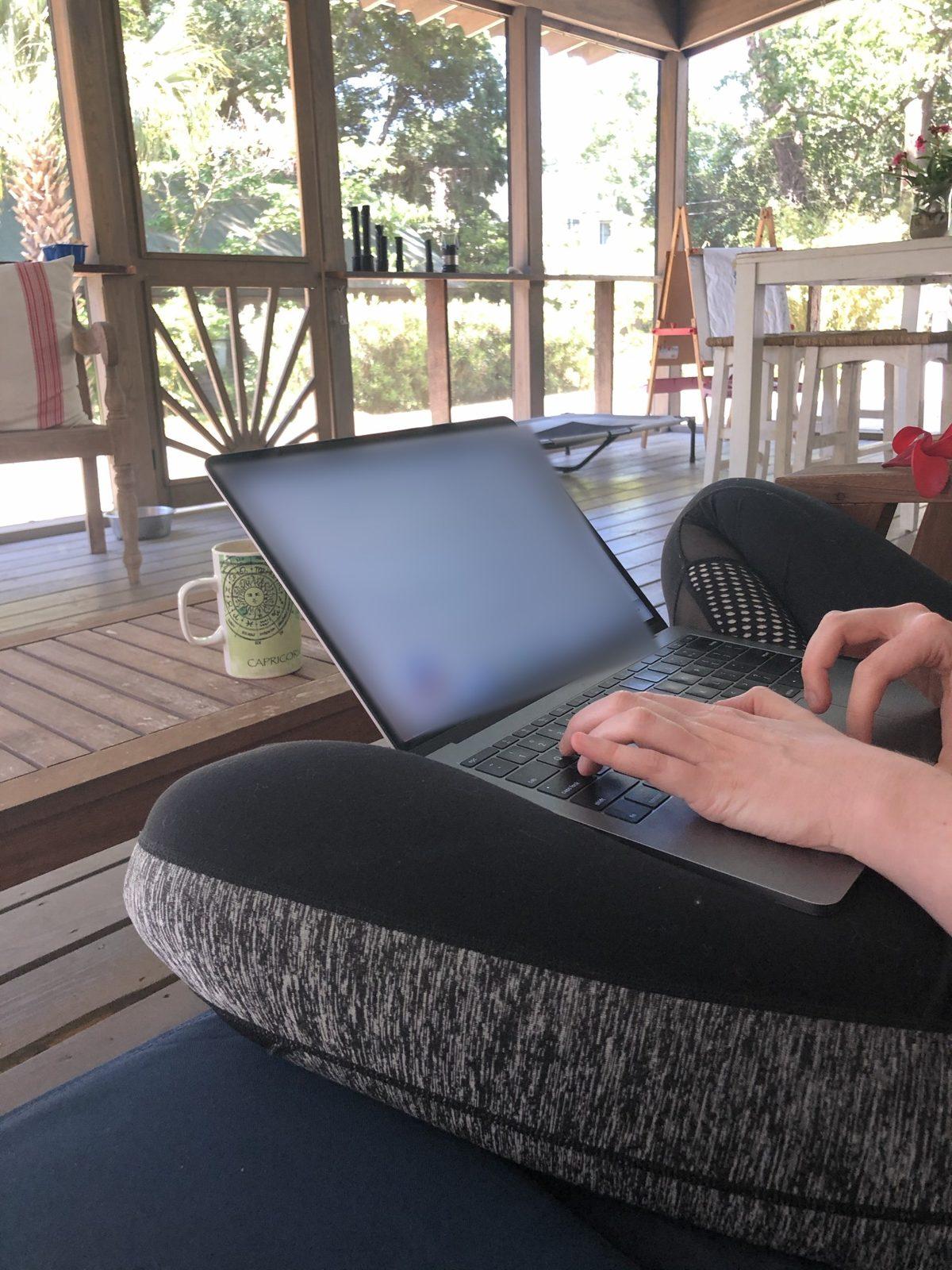
The business is fine, the team is capable, and you still check your email on the beach. Rest feels like something you haven’t earned yet. That guilt about taking time off is often an old rule about worth and work, and it long predates your business.

“I don’t want to miss my kids growing up.”
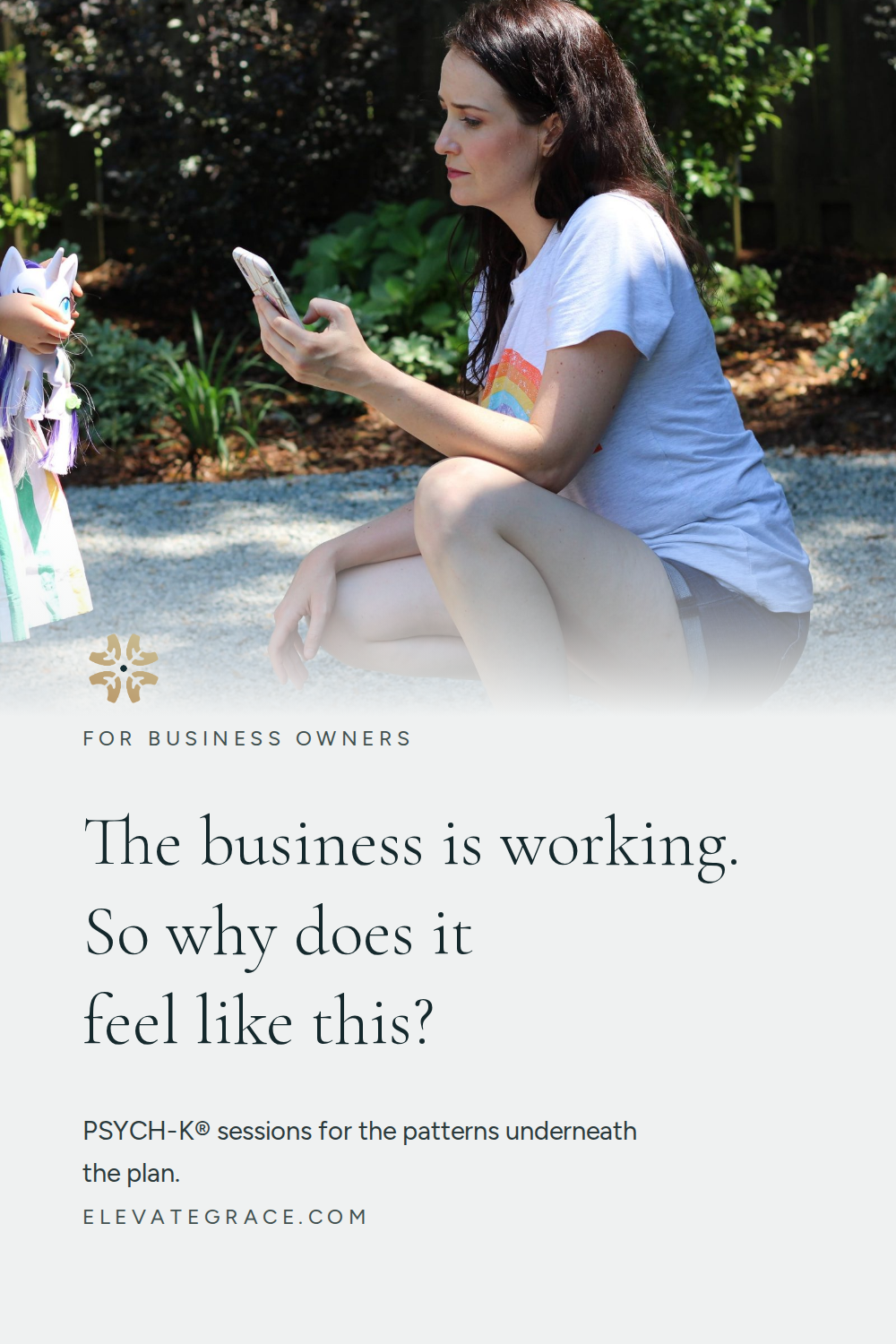
You built this business partly so you could be there, and some days it feels like it’s taking the very moments it was meant to protect. You answer emails at the playground and feel guilty either way. I know this one well. I homeschool my daughter, so I’ve fit work in between nap times and lesson plans with her at my elbow, and honestly, I still do. Mom guilt as an entrepreneur often comes from a belief that you have to choose, and that belief can change.
“Part of me doesn’t want it to grow.”
You want the bigger version, and you quietly sabotage it. Maybe growth means more visibility, more responsibility, outearning someone close to you, or leaving people behind. A fear of success usually has a very specific reason, and it’s rarely one you’ve said out loud.
“Putting myself out there still feels risky.”
You do excellent work where nobody can see it. The post sits in drafts, the sales call gets rescheduled, and the video never gets filmed. At some point being visible got linked with being unsafe, and that link can change.
“The money is fine. I’m not.”
The numbers are healthy and you still feel a knot every time you check the bank account, pay yourself last, or hesitate to invest in the business. Money anxiety often has more to do with what you learned growing up than with this quarter’s figures.
“I’m thinking about selling, or I already have.”
Nobody warns you that an exit is an identity event. Before the sale, it can feel like betrayal or failure. After it, many owners feel lost, flat or unsure who they are without the business. I’ve been through both sides of that. It’s a big part of why I do this work.
Read my story: Who am I after selling my business? →Underneath the plan
Why strategy alone doesn’t fix it
Most help for business owners works on the conscious mind: plans, frameworks, accountability, another course. That’s useful, and it’s where your goals live. But decisions, reactions and the ceiling you’ll let yourself reach are shaped by subconscious patterns, the part of you that’s faster than logic and older than your business.
When an old rule is still running (“rest is lazy”, “conflict isn’t safe”, “people like me don’t get to be seen”), willpower has to win the same argument every morning. Change the pattern underneath and the thing you’ve been forcing stops being a fight.
How a PSYCH-K® session works
PSYCH-K® is a facilitated process for changing subconscious beliefs. It isn’t hypnosis, therapy or business consulting. You’re awake, talking, and in charge of every decision.
01
Name it
We put what you want into your own words, even if you arrive with just a feeling.
02
Find what’s in the way
We locate the belief or stress pattern arguing with that goal. You don’t have to relive the story.
03
Ask permission
We check with your Higher Self before changing anything. If the answer is no, we honor it.
04
Change the pattern
You do a short whole-brain process while I facilitate.
05
Take it into your week
We re-check how the subject feels, then tie the change to one real action: the conversation, the day off, the post.
Sessions are 45 minutes over video, with owners anywhere in the world.
PSYCH-K® is a self-help and belief-change process. It is not medical or psychological treatment, does not diagnose or cure any condition, and is not a substitute for care from a licensed professional. PSYCH-K® is a registered trademark of the PSYCH-K® Centre International.
See session options
About Ashley
I’ve sat where you’re sitting
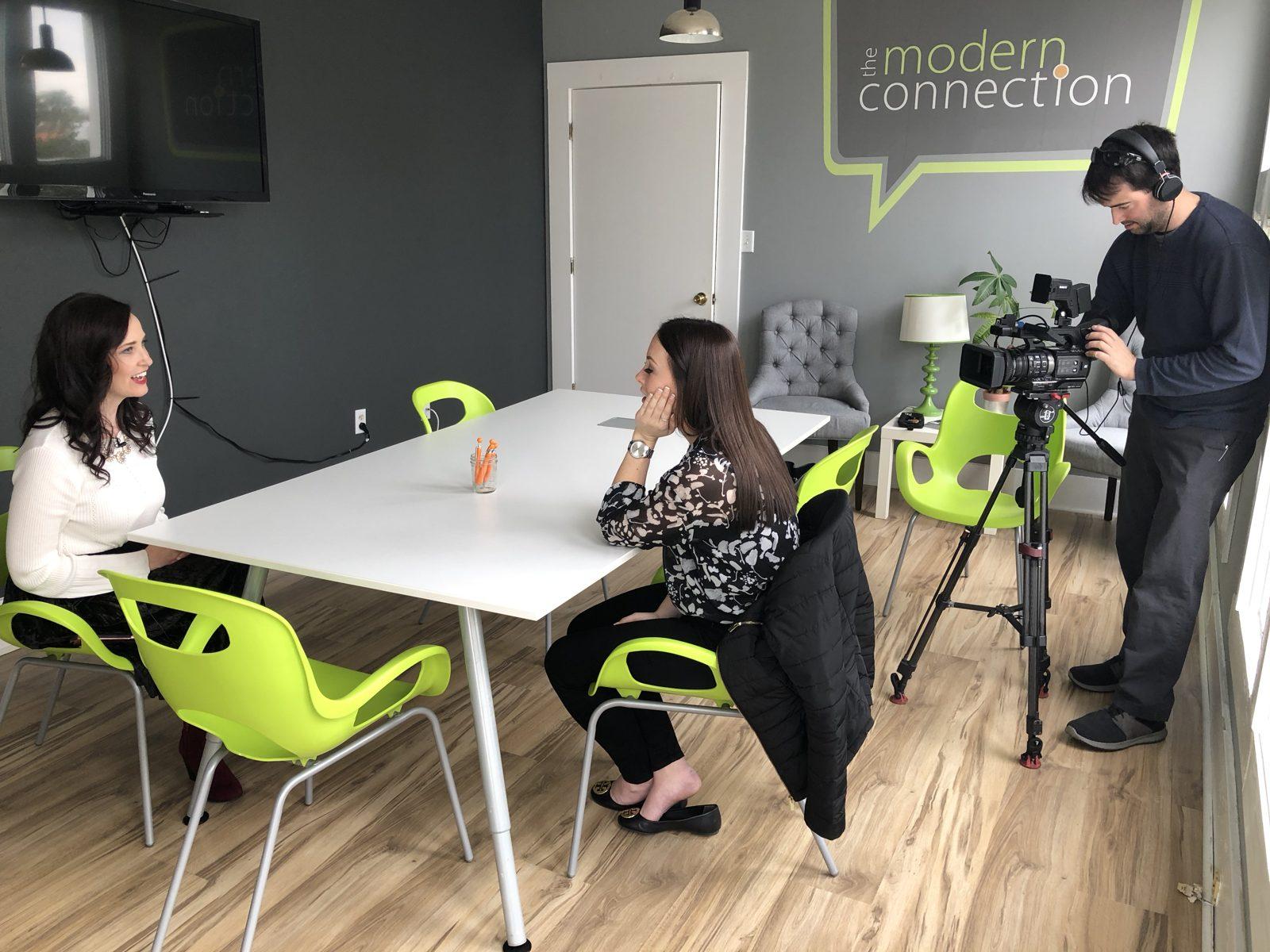
In 2009 I founded The Modern Connection, one of Charleston, SC’s early social media and digital marketing agencies. For eleven years I handled payroll, hiring, pricing, hard conversations and the occasional very bad quarter. In 2020 I made a clean exit and found good homes for my team and clients.
Along the way, I was named to the Charleston Regional Business Journal’s Forty Under 40 (2014) and was a finalist for Influential Women in Business from the Center for Women and the Southern Women’s Show (2016).
What I learned is that success isn’t only strategy. It’s also the patterns shaping how you lead, what you avoid and how much you let yourself have. If I’d had these tools back then, I’m not sure I’d have been so eager to leave.
Today I combine that decade of running a business with PSYCH-K® facilitation, trained through the Master Facilitation Workshop. I’m not here to hand you another plan. I’m here to help you change what’s driving the one you already have.
More about Ashley →What owners say
“I call on Ashley, my [PSYCH-K® facilitator], often when I feel like the pressures from running my business are too much. She helps me talk through my fears and problems, and I always walk out clear-headed.”
“A stressful situation at work from 7 years ago was guiding my entire career, and after one session, I felt like I could actually sleep at night again. And I got the promotion!”
Questions business owners ask
If yours isn’t here, send it to me directly. I answer every one myself.
No. I won’t audit your funnel or tell you your next move. We work on the patterns that make the moves you already know about feel impossible. It pairs well with a coach or consultant.
No. You don’t need a particular religion or spiritual practice. Plenty of analytical, results-driven owners come in skeptical. What matters is whether the subject feels different afterward, and that you come to your session open and curious.
That’s common. Many owners arrive with “something’s off” rather than a clear goal, and we find it together.
Yes. The emotional side of an exit, before and after, is work I know personally. Sessions can focus on readiness, guilt, fear of what’s next, or feeling lost once it’s done. Read how worthiness shaped my own sale →
Yes. What you share stays between us. Ethics & Agreements →
It depends on the person. Some owners feel a monumental shift in a single session. Others have several layers to work through and prefer a few sessions or a package. We’ll talk about what makes sense after your first one, with no pressure either way.
No. It’s a self-help, belief-change process. It doesn’t diagnose or treat any condition and doesn’t replace care from a licensed professional.