 Ashley Thiesen · 7 min read
To say I’ve seen Princess Diaries a few times would be an understatement.
It’s one of my sister’s favorites and one of my daughter’s, so I’ve watched it across two generations (and as quite a few different versions of myself). But while my daughter was with her dad over the weekend, all the Anne Hathaway and Dakota Johnson buzz had me craving some of Anne’s grown-up work, so I gave myself a full Les Misérables binge.
Then she got to “I Dreamed a Dream,” and I felt panic rise in my chest. Not sadness exactly. Panic. Fantine’s panic, as far as I can tell. (This is one of the ways I tune into people, even fictional ones: I feel my way into where they are. It’s useful in sessions and a little inconvenient on the couch at midnight.)
My very first thought was: I wish I could sit down with her. Not to undo what happened to her, because nothing undoes that. I’d want to get curious with her about what she came to believe because of it. Then I’d ask her the question I ask everyone: what do you want instead? What would a life look like that she’d actually be thrilled to live?
And then, naturally, I started doing the same thing with everyone else in the story.
Because if you look at Les Misérables through the lens of the subconscious, almost every major character is living inside a belief: about who they are, what they deserve, what’s possible for them, or what they have to do to survive.
So I started asking myself: if I could sit down with each of these characters for a PSYCH-K® session, what would I want them to know?
Not because changing a belief erases what happened to them. It doesn’t. But what happened to us and what we believe about ourselves because of what happened to us are two different things, and sometimes it’s the second one that keeps us stuck.
Jean Valjean: “I am what I’ve done.”
Jean Valjean spends years being defined by a number. Prisoner 24601.
He steals bread to feed his sister’s child and goes to prison for it, then gets more years added for trying to escape. By the time he’s released, society has made its position very clear: you are a criminal, you are dangerous, and you don’t belong. And eventually, he starts believing it.
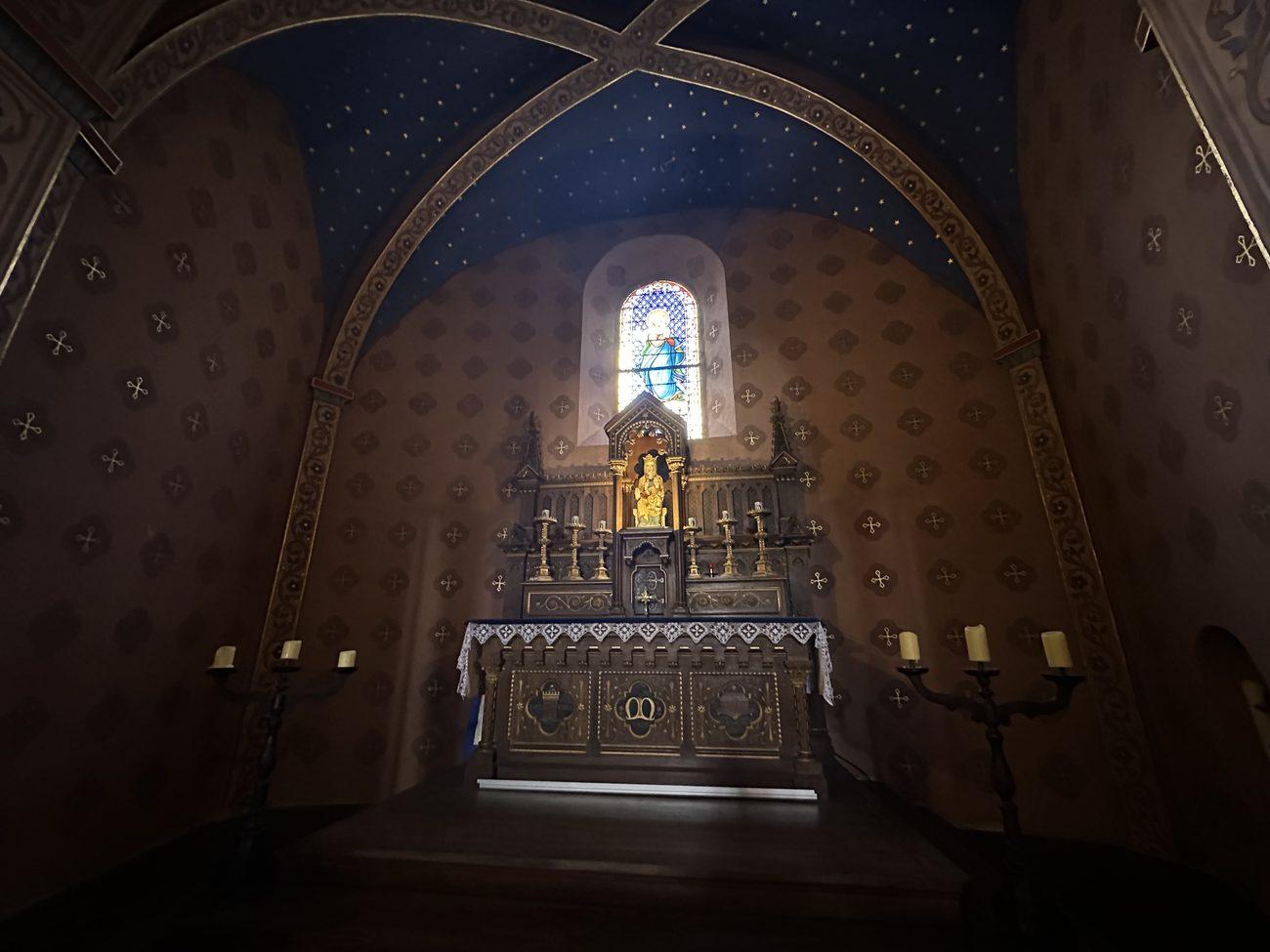
Then the Bishop does something completely unexpected. He shows him mercy, and for the first time in years, Valjean gets a chance to see himself as something other than what he’s done. That’s where his transformation starts.
If I could work with Valjean, the belief I’d want to help shift is “My past does not define my identity.” There’s a huge difference between I did something I’m not proud of and I am a bad person. One is an experience. The other becomes who you think you are.
I’d want him to really feel I am worthy of becoming someone new. Not because he earned it, and not because he finally got everything right. Simply because he’s human.
Fantine: “I have to do this alone.”
Fantine’s story is heartbreaking because she doesn’t just lose her security. She loses her sense of options. One thing happens after another until survival is the only priority: she sells her locket, then her hair, and eventually herself. Somewhere along the way, the belief becomes there is no one coming to help me.
If I could sit with Fantine, I wouldn’t tell her to “think positive.” I’d want her to actually feel something very different: I am supported. I have choices. I am worthy of receiving help. Sometimes the subconscious isn’t asking for a bigger goal. It’s asking whether it’s even safe to believe something different.
That’s the real tragedy of Fantine. It isn’t only that terrible things happen to her. It’s that her world gets so small she can’t see another possibility.
Javert: “There is only one right way.”

Javert fascinates me from a subconscious perspective. He isn’t greedy, and he isn’t cruel for the fun of it. He genuinely believes he’s doing the right thing. His whole identity is built on law, order and certainty, in a world that sorts neatly into rules and criminals, good people and bad people, with no room for contradiction.
Then Valjean keeps showing mercy, over and over, and Javert can’t file him anywhere. That’s a real problem for someone like Javert. When your identity depends on a belief being true, evidence against it doesn’t feel like information. It feels like a threat.
If I could work with Javert, these are the beliefs I’d want to help him build:
I can be safe without having all the answers.
I can hold compassion and accountability at the same time.
Changing my perspective does not mean losing myself.
Sometimes what keeps us stuck isn’t that we don’t know enough. It’s that we’re afraid of what it would mean if we were wrong.
Éponine: “I have to earn love.”
Éponine is one of the characters I’d most want to work with. She loves Marius, but she doesn’t believe she can simply be loved, so she makes herself useful instead. She helps him, protects him, delivers his messages, and eventually puts herself in harm’s way for him. Underneath all of it is one heartbreaking question: will I finally be worthy if I do enough?
I see that belief far outside musical theater: in business, in relationships, in motherhood, in achievement. We can get very, very good at being useful without ever letting ourselves feel worthy.
If I could work with Éponine, I’d want to help her shift from “I have to earn love” to “I am worthy of love simply because I exist,” and then let her experience what it’s like to actually live from there. Knowing something intellectually and believing it at a subconscious level aren’t always the same thing. (More on that in Why knowing better doesn’t change anything.)
Marius: “I have to choose between love and purpose.”
Marius is another interesting one. He’s trying to figure out who he is, what he believes, where he belongs, and what he’s willing to sacrifice for his ideals, and he’s caught between personal love and something larger than himself.
If I could sit with him, I’d want to work on I don’t have to abandon myself to belong. Belonging is powerful, and people will do extraordinary things to stay connected to a group. Sometimes we abandon our own knowing because we’re afraid of being rejected. We choose the expected path, the one that makes sense to everyone else, and then one day we wake up and realize we’ve been living someone else’s version of our life.
Marius needed permission to become his own person. (Honestly, most of us do.)
Cosette: “My past determines my future.”

Cosette learns very early what it means to feel powerless. Then Valjean gives her something different: a safe home, a father, a future.
But even after circumstances change, the subconscious doesn’t necessarily catch up right away, and I think we underestimate that. You can leave the situation and still carry the belief. You can change the relationship and still carry the belief. You can make more money, or build a successful business, and still subconsciously believe you’re not safe. The external circumstances can change much faster than the internal programming.
If I could work with Cosette, I’d want her to know I am safe to create a life that is different from the one I came from. Your history can explain you without having to determine you.
And then there is Valjean again.
Because maybe the most beautiful subconscious transformation in Les Misérables is Valjean’s. He begins the story believing he’s defined by his past and ends it understanding that he gets to choose who he becomes. To me, that’s the heart of the whole thing.
We all have programming. Some of it came from childhood, relationships or culture, some from painful experiences, some from the things people told us about ourselves over and over. And some of it was simply trying to keep us safe. The subconscious isn’t necessarily trying to sabotage us. Often it’s protecting us with information that made sense at one point in our lives. The problem is that an old belief can keep running long after the circumstances have changed:
I’m not safe. I don’t belong. I have to do everything myself. I have to earn love. People like me don’t get to have that. If I make a mistake, everything will fall apart. My past determines my future.
Beliefs like these quietly shape our choices without us ever noticing they’re there, and that’s what fascinates me about subconscious work. You don’t necessarily need to spend hours analyzing the story. Sometimes the more useful question is what do I believe because of the story? And then: what would I rather believe? The goal isn’t to pretend the past didn’t happen. It’s to stop letting the past make all of your decisions.

If I could gather the characters of Les Misérables around a table, I’d probably have a lot to say. But ultimately, I’d want each of them to leave with the same permission:
You are allowed to become someone different from who you had to be.
If you recognized yourself in one of these characters and you’d like support exploring what you believe because of your story, you can book a private PSYCH-K® session with me.